
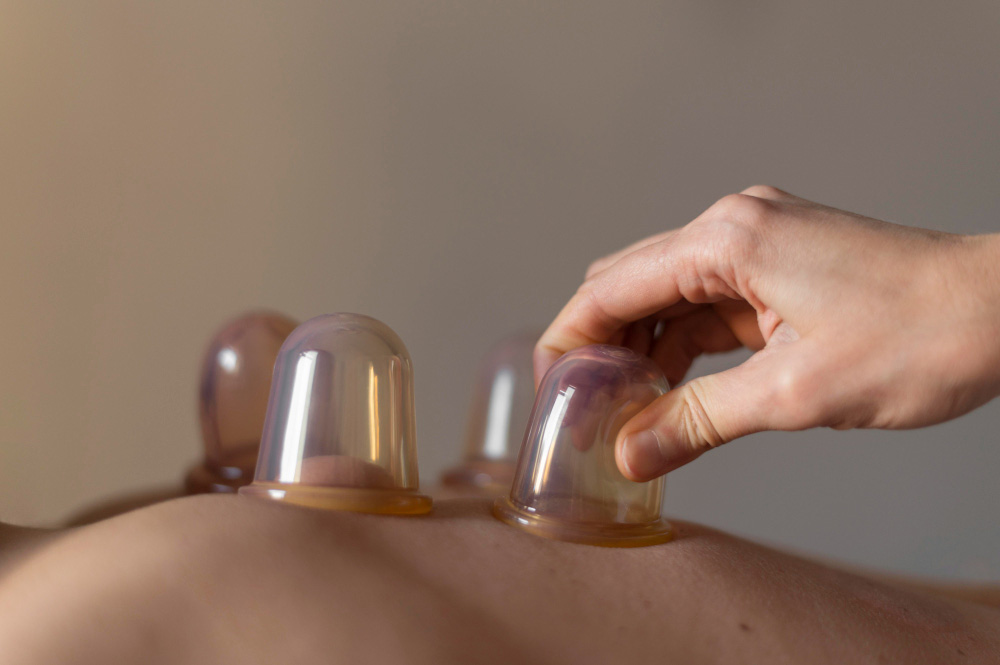
At our clinic, one question we hear regularly is:
“Will cupping help my pain?”
Cupping has become increasingly popular for neck pain, back pain, muscle tension, and recovery. Some people feel immediate relief, while others are unsure whether it is backed by evidence.
The honest answer is: cupping may help reduce pain in the short term, but it is usually not the main solution for long-term recovery.
What the Research Says
A 2025 systematic review and meta-analysis published in BMJ Open examined cupping therapy for people with chronic musculoskeletal pain.
The review found that cupping therapy can reduce pain intensity, particularly in the short term and immediately after treatment.
However, the same review found cupping did not significantly improve function or disability. In simple terms, people may feel less pain after treatment, but that does not always mean they move better, feel stronger, or return fully to normal activity.
This is an important distinction.
Pain Relief vs Real Recovery
Reducing pain is valuable. If your pain settles, it can become easier to move, exercise, sleep, and participate in daily life.
But long-term recovery from chronic pain often requires more than symptom relief alone.
For many people, persistent pain is influenced by a combination of factors, including:
- reduced strength or conditioning
- fear of movement after previous flare-ups
- poor sleep
- stress and nervous system sensitivity
- reduced activity tolerance
- inconsistent loading or overdoing it on good days
That is why treatment needs to go beyond passive therapy alone.
Where Cupping Can Help
Cupping may be useful when it helps you:
- feel more comfortable moving
- reduce muscle tension or guarding
- calm symptoms during a flare-up
- regain confidence in activity
- tolerate exercise more easily
When used this way, cupping can be a helpful adjunct treatment—something that supports progress rather than replacing it.
What Usually Helps Most Long Term
For chronic pain, the strongest long-term strategies typically include:
Gradual Exercise and Strengthening
Progressively building strength and capacity is one of the most reliable ways to improve resilience and reduce recurring pain.
Load Management
Finding the right balance between doing too much and too little is key.
Mobility Where Needed
Some people benefit from improving movement options, stiffness, or control.
Sleep and Stress Management
Pain sensitivity often increases when sleep and stress are poorly managed.
Education and Confidence
Understanding that pain does not always equal damage can reduce fear and improve recovery.
How We Use Cupping in Clinic
In our clinic, cupping may be included as one tool within a broader treatment plan by qualified providers, depending on your needs and goals.
If it helps reduce symptoms enough for you to exercise, move more freely, or build momentum, it can be worthwhile. But lasting progress usually comes from combining symptom relief with active rehabilitation.
Bottom Line
Yes, cupping may help reduce pain in the short term.
But if your goal is lasting improvement, stronger function, and fewer flare-ups, it should usually be paired with exercise, gradual strengthening, and a plan that considers the whole person—not just the painful area.
Think of cupping as a possible support tool, not the main engine of recovery.
If you’re unsure whether cupping is appropriate for your condition, speak with a qualified member of our team to determine the best approach for you.
Reference
Jia Y, et al. Effects of cupping therapy on chronic musculoskeletal pain and collateral problems: a systematic review and meta-analysis. BMJ Open. 2025.