


















Do You Really Need to Foam Roll Your IT Band?
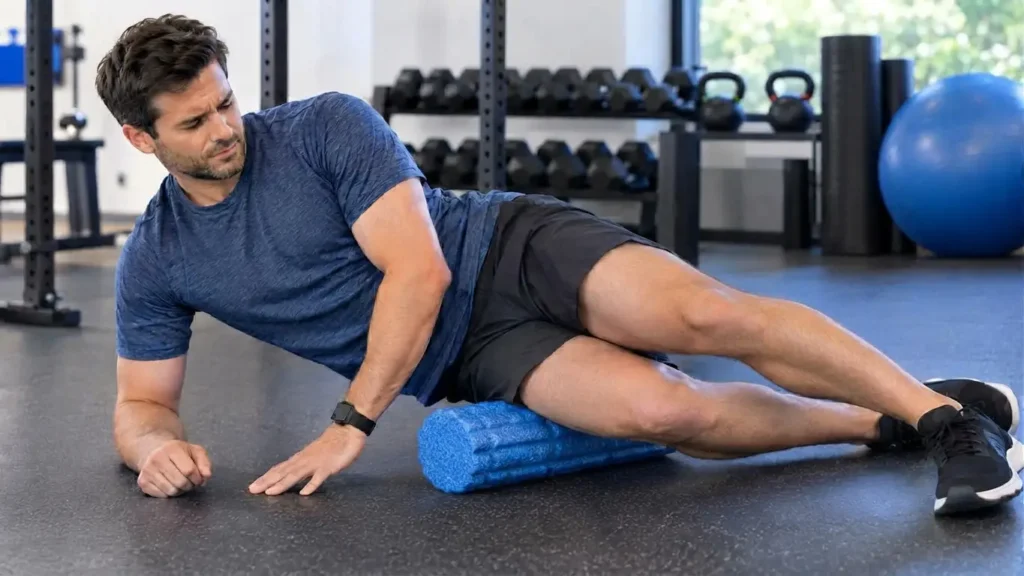
If you’ve ever had pain on the outside of your knee or hip, there’s a good chance someone has told you: “Your IT band is tight. You need to foam roll it.” So you grab a foam roller, lie on your side, and slowly roll up and down the outside of your thigh. It hurts. A lot. And then someone tells you: “That’s how you know it’s working.” But is it? The answer is a little more interesting than a simple yes or no. First: foam rolling can actually do something Let’s be fair to the foam roller. Research does show that foam rolling can have short-term effects on mobility. A systematic review found that self-myofascial release using a foam roller or roller massager can temporarily increase joint range of motion without negatively affecting muscle performance. It may also help with some aspects of post-exercise soreness and recovery. A larger
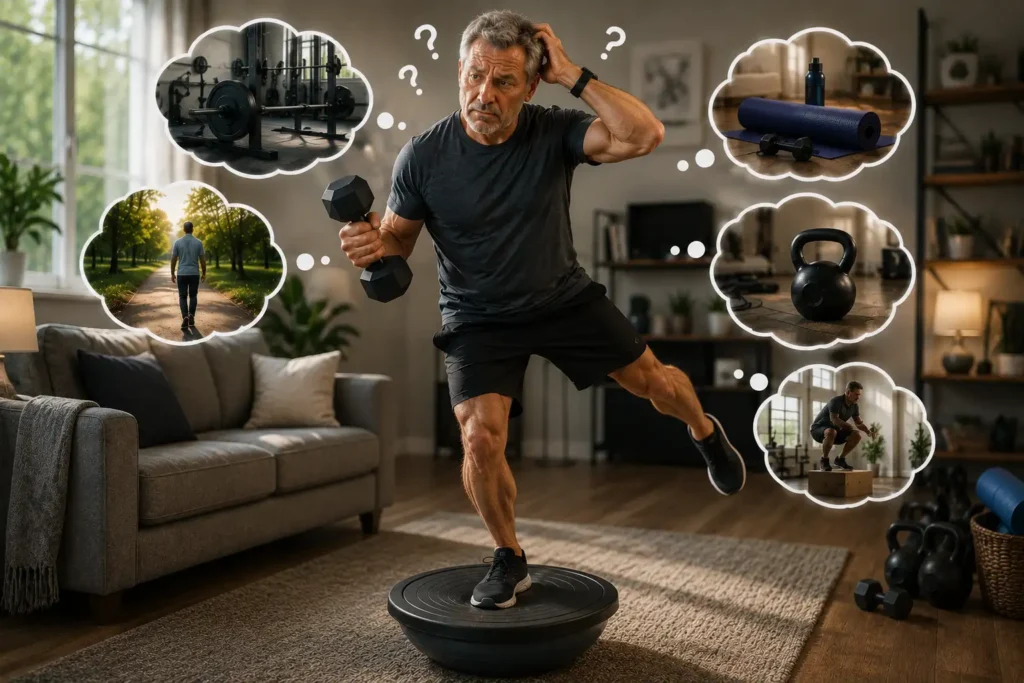
Longevity Training: What Should You Actually Train for a Longer, Healthier Life?
Forget chasing the perfect workout. If your goal is to stay strong, mobile and independent as you get older, what you train may matter more than how impressive your workout looks. We often think of exercise in terms of weight loss, building muscle or improving athletic performance. But there is another goal that deserves more attention: healthspan—the number of years you can live while staying strong, active and independent. So, what should we actually train for healthy aging? 🏋️ 1. Keep Your Muscles Strong As we get older, we naturally lose some muscle mass and strength. This process can become more significant and is sometimes referred to as sarcopenia—the age-related loss of muscle strength, muscle mass and physical function. In simple terms, sarcopenia means becoming gradually weaker and less physically capable as we age. It can eventually make everyday activities such as climbing stairs, getting out of a chair, carrying
Do You Really Need to Foam Roll Your IT Band?
If you’ve ever had pain on the outside of your knee or hip, there’s a good chance someone has told you: “Your IT band is tight. You need to foam roll it.” So you grab a foam roller, lie on your side, and slowly roll up and down the outside of your thigh. It hurts. A lot. And then someone tells you: “That’s how you know it’s working.” But is it? The answer is a little more interesting than a simple yes or no. First: foam rolling can actually do something Let’s be fair to the foam roller. Research does show that foam rolling can have short-term effects on mobility. A systematic review found that self-myofascial release using a foam roller or roller massager can temporarily increase joint range of motion without negatively affecting muscle performance. It may also help with some aspects of post-exercise soreness and recovery. A larger
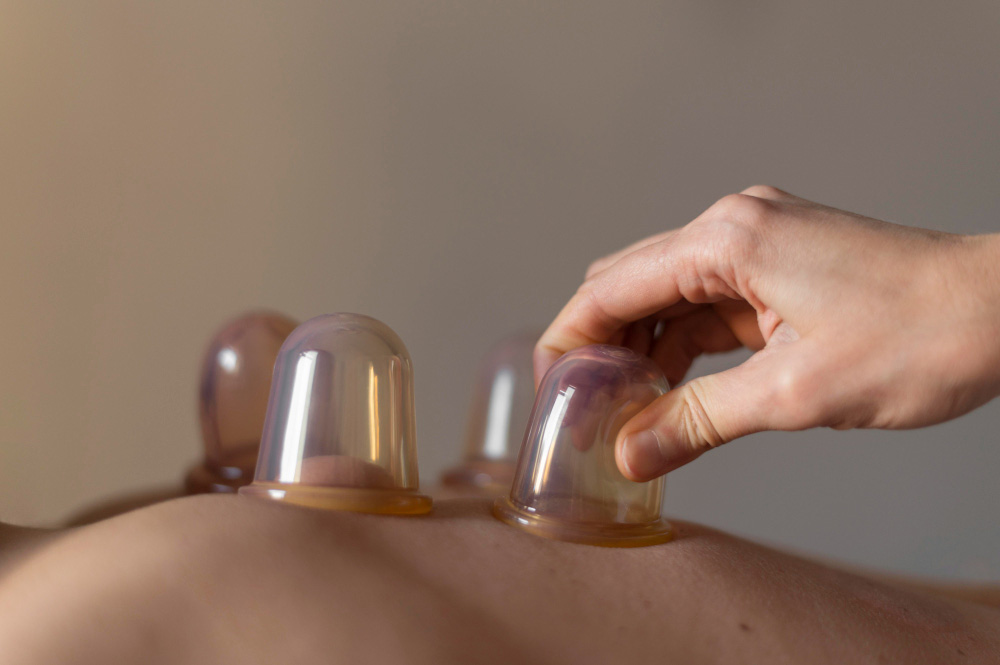
Is Cupping Helpful for My Pain?
At our clinic, one question we hear regularly is: “Will cupping help my pain?” Cupping has become increasingly popular for neck pain, back pain, muscle tension, and recovery. Some people feel immediate relief, while others are unsure whether it is backed by evidence. The honest answer is: cupping may help reduce pain in the short term, but it is usually not the main solution for long-term recovery. What the Research Says A 2025 systematic review and meta-analysis published in BMJ Open examined cupping therapy for people with chronic musculoskeletal pain. The review found that cupping therapy can reduce pain intensity, particularly in the short term and immediately after treatment. However, the same review found cupping did not significantly improve function or disability. In simple terms, people may feel less pain after treatment, but that does not always mean they move better, feel stronger, or return fully to normal activity. This