
Patients with persistent pain after injuries such as whiplash or concussion often present with a mix of pain, anxiety, and nervous system sensitization that doesn’t fully respond to hands-on or exercise-based rehab alone.
A recent 2026 study in PAIN journal gives us useful direction on two common tools we recommend as part of physio treatments: breathing and mindfulness.
🔬 What the research showed
Across 5 randomized trials (245 participants), researchers compared:
- Mindfulness meditation
- Slow breathing
- A control (audiobook listening)
Results:
- Mindfulness reduced pain ~23%
- Slow breathing reduced pain ~11%
- Both slowed breathing and reduced anxiety
- Mindfulness still worked better than breathing alone
👉 Breathing helps—but mindfulness adds additional pain relief.
🫁 Why breathing still matters
Both meditation groups slowed their breathing by ~30%, which partly explained pain reduction.
Clinically, many people with persistent pain show:
- Shallow, rapid breathing
- Increased sympathetic (fight/flight) activity
- Heightened sensitivity to movement or sensory input
Slow breathing helps shift the system toward parasympathetic regulation, lowering pain sensitivity.
🧠 Why mindfulness adds more benefit
Even with similar breathing changes, mindfulness reduced pain more.
This likely reflects:
- Reduced threat perception
- Less catastrophizing
- Improved emotional regulation
- Less hypervigilance to symptoms
These are key drivers of persistent pain, regardless of the original injury.
😰 What about anxiety?
Both approaches reduced anxiety—but anxiety reduction did not explain the pain relief.
👉 Pain improvement is not just about relaxation—it’s about changing how the brain interprets sensory signals.
🧑⚕️ Key takeaway
👉 Breathing helps—but mindfulness provides greater pain relief
Combining both is a low-risk, effective addition to rehabilitation for persistent pain.
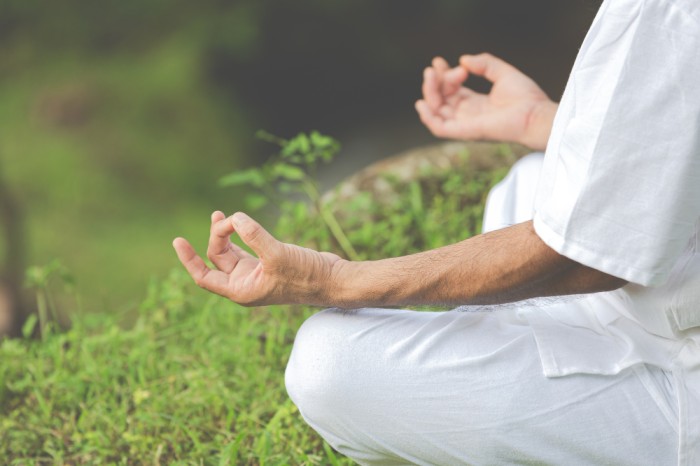
👣 Simple starting point for patients
- Sit comfortably
- Breathe slowly through your nose
- Focus on the sensation of breathing
- When your mind wanders, gently bring it back
Even 5–10 minutes daily can help calm the nervous system and reduce pain sensitivity.
Reference:
Amorim, Anita B.a,b; Gianola, Morganb; Barrows, Danielb; Zeidan, Fadelb,*. Mindfulness meditation reduces pain more effectively than slow-breathing meditation: the mediating role of respiration. PAIN 167(3):p 678-690, March 2026. | DOI: 10.1097/j.pain.0000000000003832